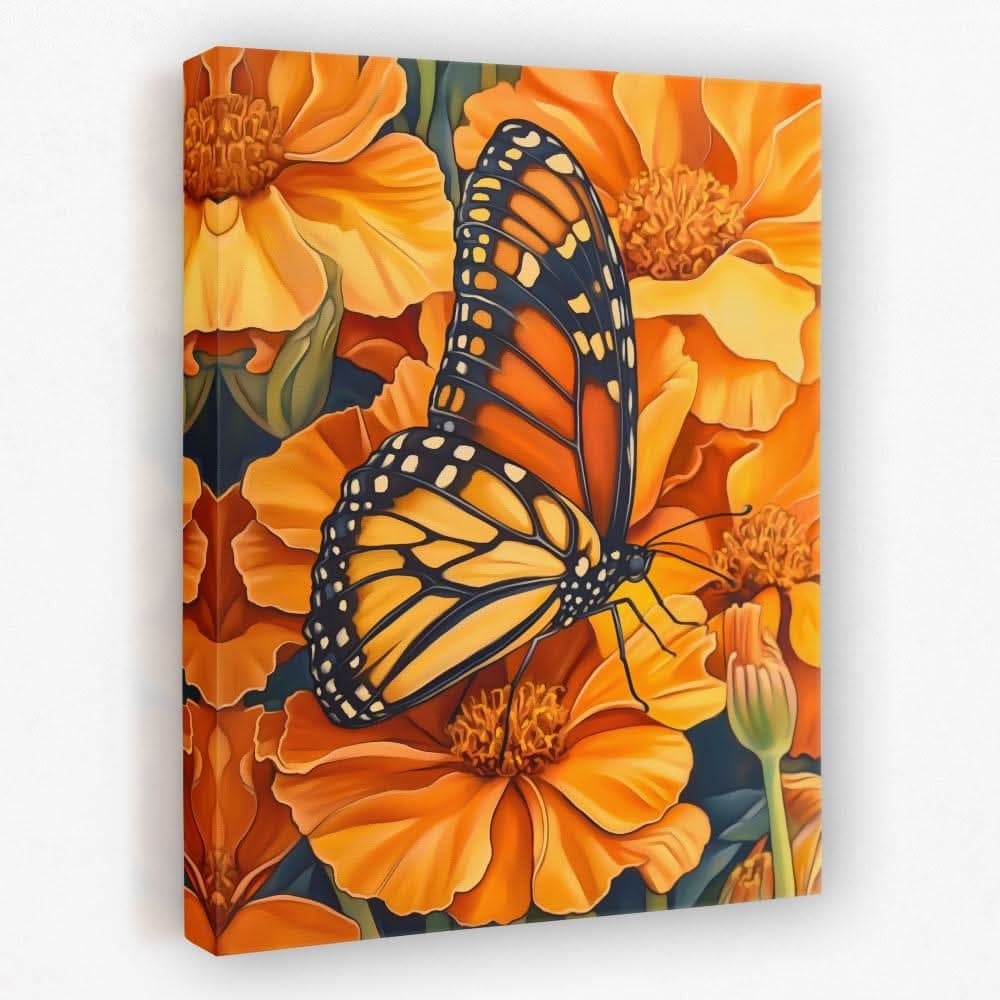

There is a reason botanical art keeps showing up in the homes we admire. Leaves, ferns, flowers, and grasses carry a quiet kind of energy that softens a room without shouting for attention. A single fern study above a reading chair or a trio of pressed-leaf prints down a hallway can change how a whole space feels, even before you change anything else.
Designers point to biophilic design, the idea that we are wired to feel calmer around natural shapes and greenery. Most of us cannot fill every room with real plants, and not everyone has the light or the patience to keep them alive. Botanical canvas prints give you that same grounded, nature-near feeling with none of the watering. This guide walks through what botanical wall art actually is, how it differs from floral and tropical art, which palettes and styles to reach for, and where each one tends to look best.
Why botanical art is trending
The pull toward botanical art is partly a reaction to how busy life feels. People want rooms that read as calm and uncluttered, and plant imagery does that work without much effort. Green is a restful color for the eye, and the organic lines of a leaf or stem break up the hard edges of furniture, shelving, and screens.
There is also a nostalgia thread. Vintage botanical illustrations, the kind once printed in old field guides and botany texts, feel timeless rather than trendy. That staying power matters when you are choosing art you want to live with for years instead of swapping out every season. A piece that looks classic on day one tends to look classic five years later, too.


Botanical vs floral vs tropical vs foliage
These words get used loosely, so it helps to pin them down before you shop. Each one sets a different mood.
- Botanical art leans scientific and detailed. Think single specimens, labeled-illustration vibes, ferns, herbs, branches, and leaf studies with a calm, almost studious feel.
- Floral art puts the bloom front and center. It is softer and more romantic, full of petals and color, and tends to feel decorative rather than documentary.
- Tropical art turns up the drama with monstera, palm, and banana leaves, bold scale, and a resort-like, warm-weather energy.
- Foliage art is all about leaves and greenery with no flowers at all, which makes it the most neutral and easy to place of the group.
Style at a glance
If you want a quick way to tell the four apart while you shop, this table lines up the look, palette, and the rooms each one tends to suit best.
| Style | Look | Palette | Best room |
|---|---|---|---|
| Botanical | Detailed single specimens, field-guide feel | Muted greens, ink, cream | Home office, study, hallway |
| Floral | Soft, romantic, bloom-forward | Blush, color-rich, warm | Bedroom, dining room |
| Foliage | Leaves only, calm and neutral | Sage, eucalyptus, forest | Living room, bathroom |
| Tropical | Bold monstera and palm, big scale | Deep green, sunny accents | Sunroom, entryway, large walls |
If you want something restful and grown-up, true botanical or foliage pieces are usually the safest bet. If you want a room to feel cheerful and full of life, lean toward floral art instead. Many homes use a mix, and that is completely fine as long as the palette ties them together.
Palettes that work
Color is what makes botanical art feel either fresh or fussy. A few palette directions tend to land well.
- Layered greens are the obvious starting point, from sage and eucalyptus to deep forest. Greens read as calm and pair with almost everything. Browse green wall art if you want the plant feeling without a single flower.
- Earth tones like terracotta, ochre, clay, and warm brown give botanical pieces a grounded, lived-in look that suits cozy rooms.
- Neutral linen and cream backgrounds let the plant shape do the talking. A soft beige or off-white ground feels gallery-like and keeps things from looking heavy.
- Muted and dusty tones, the slightly faded greens and blush you see in vintage prints, age beautifully and never feel loud.
A reliable trick is to pull one color from the room you already have, a cushion, a rug, a wood tone, and choose botanical art that echoes it. That single thread of repetition makes the piece feel intentional rather than added on.
If a room already has a lot going on with patterns, color, or busy furniture, choose botanical prints on plain neutral backgrounds. The negative space gives the eye somewhere to rest and keeps the wall from competing with everything else.
Styles to choose from
Botanical art is not one look. The style you pick sets the personality of the room as much as the subject does.

A ready-made set of three keeps the spacing and palette consistent, so it reads as one considered piece above a sofa or down a hallway.
View this piece- Vintage botanical illustration has that detailed, antique field-guide quality. It suits traditional and farmhouse spaces and reads as quietly intelligent.
- Pressed leaf and herbarium prints feel handmade and personal, like something gathered on a walk and framed. They lean simple and earthy.
- Line art reduces a plant to a few confident strokes. It is modern, airy, and perfect for minimalist rooms where you want shape without clutter.
- Watercolor florals and foliage bring softness and gentle color blending, ideal for bedrooms and nurseries.
- Dramatic dark botanical flips the script with deep, moody backgrounds and a single glowing leaf or bloom. These pieces feel rich and a little luxe, and they hold their own as a focal point.
You do not have to commit to one style across the whole home. A dark botanical piece can anchor a dining room while line-art leaves keep a home office feeling light. Just keep the framing or palette consistent if the pieces will be seen together.
Rooms that suit botanical prints
Part of why botanical art is so easy to use is that it works almost everywhere. A few rooms are natural fits.
- Bedrooms benefit from the calm of soft greens and watercolor foliage above the bed or on the wall you see first thing in the morning.
- Bathrooms come alive with a small fern or eucalyptus print, which makes a plain, tiled space feel spa-like. Choose a canvas that handles humidity well and keep it away from direct splashes.
- Kitchens love herb illustrations, think rosemary, sage, and basil, near a coffee station or open shelving.
- Entryways set the tone for the whole home, and a single bold leaf or a tidy pair of prints gives a warm first impression.
Living rooms are flexible enough for almost any of these, so let the scale of your sofa and wall guide the size more than the room type.
Sizing and gallery sets
Size is where good art goes wrong most often. A print that is too small floats and looks like an afterthought. As a rough rule, art above a sofa or bed should span about two-thirds of the furniture width. Over a console or in a narrow hallway, a taller vertical piece often works better than a wide one.
Gallery sets are a natural fit for botanical art because plant studies were historically made in series. A set of three matching leaf prints, or a grid of six small specimens, looks collected and considered. Keep the spacing tight and even, usually a couple of inches between frames, so the group reads as one piece rather than scattered bits. If you are mixing subjects, hold the style and palette steady so the wall still feels unified. You can find plenty of options across our nature art range to build a set you love.
Pairing and mistakes to avoid
Botanical art has a special friendship with natural materials. It sits beautifully against wood furniture, woven baskets, jute rugs, linen, and ceramic. Those textures echo the organic feeling of the art and make the whole vignette feel layered instead of flat. A leaf print over an oak dresser with a small woven tray underneath is a tiny scene that just works.
More botanical picks


A few mistakes are worth dodging. Hanging art too high is the most common one, so aim for the center of the piece at about eye level, roughly 57 to 60 inches from the floor. Going too small for the wall is the next, so measure before you buy. And resist the urge to mix too many styles at once, since a vintage illustration, a neon pop print, and a moody dark botanical rarely play nicely on the same wall. Pick a lane and let it breathe.
If you are ready to bring a little more green and calm into your home, take a look through our botanical wall art collection and find the leaf, fern, or bloom that feels like yours.