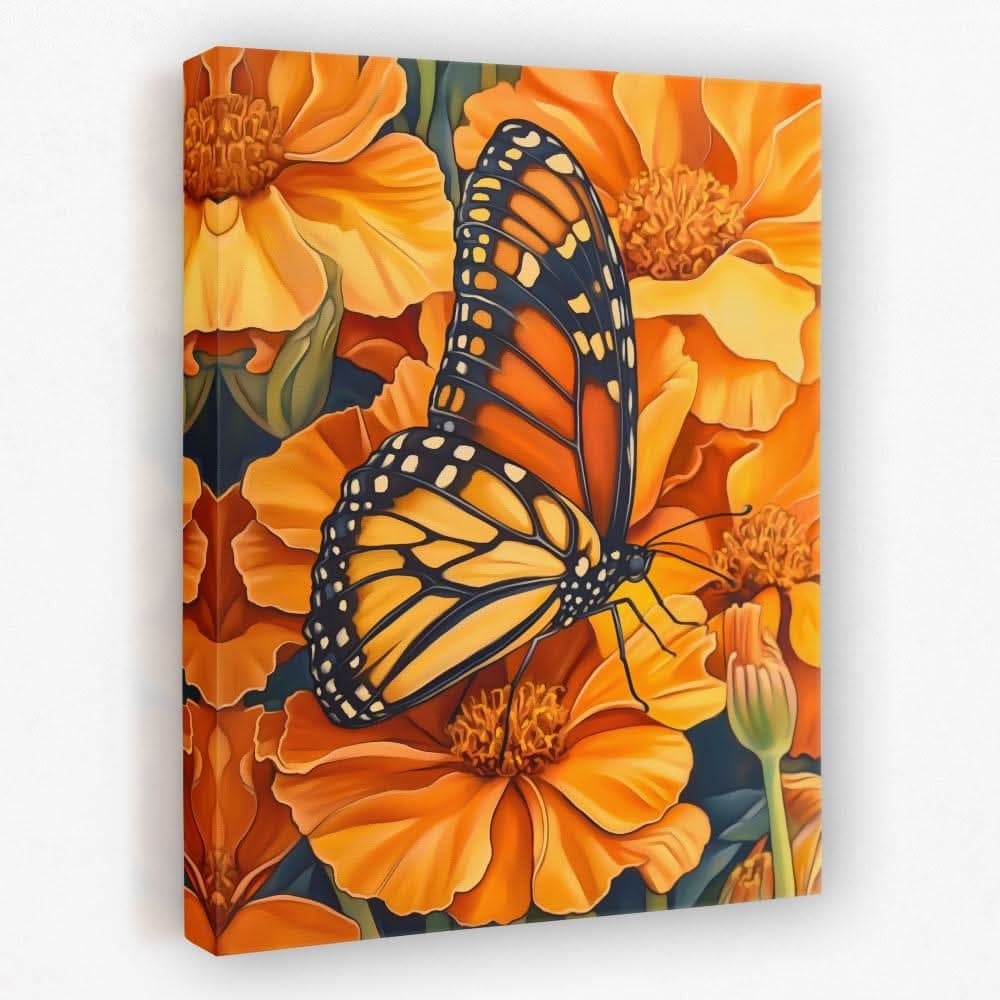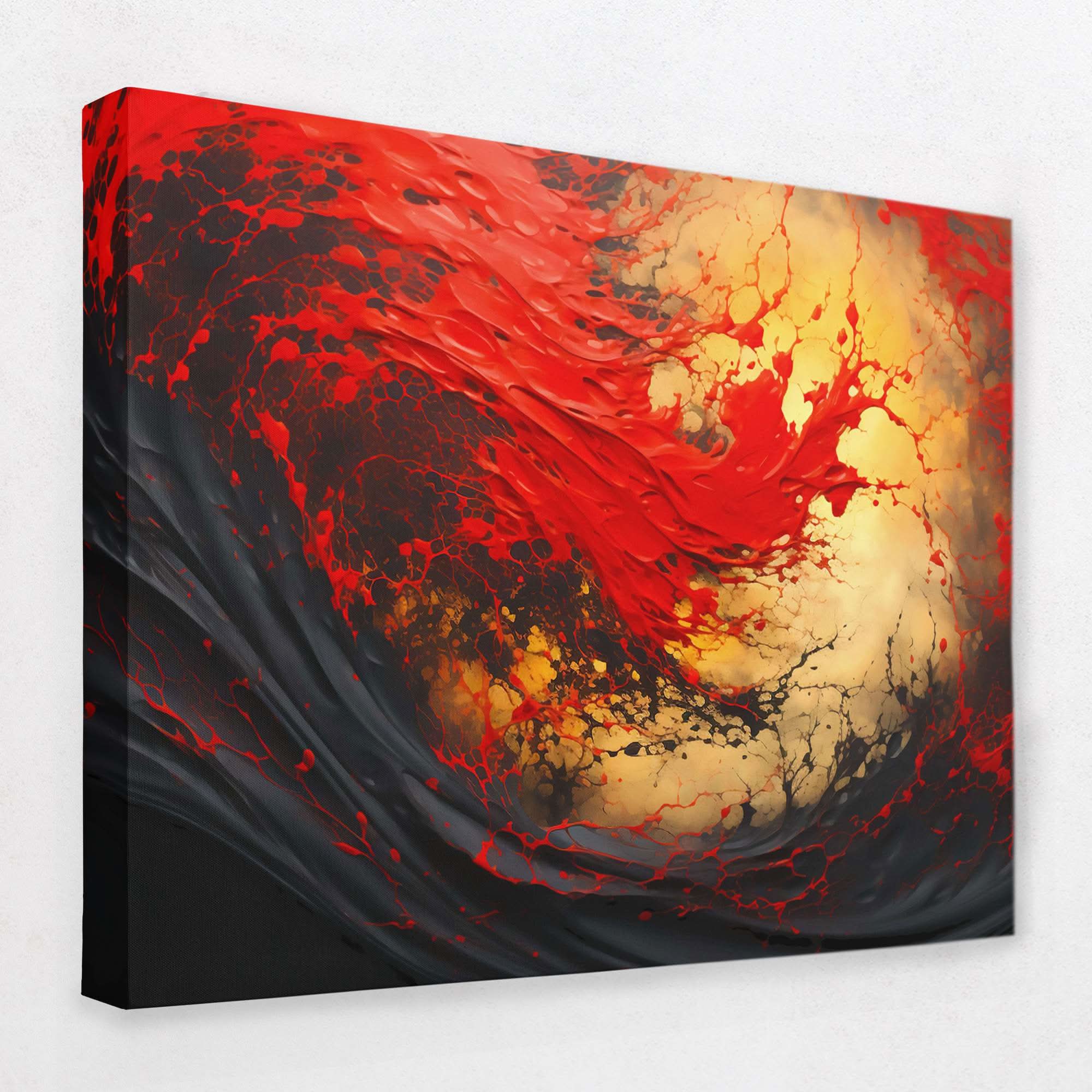

Farmhouse style has stuck around for a reason. It feels lived-in and calm, it works with the furniture most people already own, and it leans on warm, simple colors instead of trendy ones that age fast. Wall art is where a lot of that character comes from, so it pays to think about it on purpose rather than grabbing the first sign that says "gather" at the home store.
The good news is that farmhouse art is forgiving. You do not need a designer eye or a big budget. You need a clear palette, a few subjects you actually like, and a sense of restraint so the walls feel warm instead of busy. This guide walks through what the look means today, the colors and subjects that carry it, room-by-room ideas, and the small choices around framing and spacing that separate a fresh farmhouse home from a cluttered one.
What farmhouse style means today
Farmhouse is really three related looks, and knowing which one you want makes shopping much easier.
- Traditional farmhouse leans country and a little ornate. Think red barns, roosters, gingham, and warmer wood tones. It is cozy and nostalgic.
- Rustic farmhouse turns up the texture. Reclaimed wood, raw edges, weathered metal, and earthy landscapes. It feels rugged and handmade.
- Modern farmhouse keeps the warmth but cleans up the lines. White and cream walls, soft black accents, simple frames, and art with plenty of breathing room. This is the version most people picture now.
You can blend them, and most homes do. The trick is picking a lead. If you want the current, magazine-friendly version, let modern farmhouse drive the choices and borrow a rustic piece or two for warmth. A single weathered-wood frame or a hand-painted barn scene adds soul to an otherwise clean wall, and that small contrast is usually what keeps the room from feeling sterile. Decide your lead first, then everything else gets easier to judge.
Farmhouse styles compared
If you are still deciding which direction to lead with, this side-by-side breakdown lines up the four most common farmhouse looks so you can match one to your home before you start shopping.
| Style | Look | Palette | Best room |
|---|---|---|---|
| Modern farmhouse | Clean lines, lots of negative space, simple frames | Cream, soft white, soft black accents | Living room |
| Traditional farmhouse | Cozy and a little ornate, barns and roosters | Warm beige, red, gingham, warm wood | Kitchen |
| Rustic farmhouse | Heavy texture, reclaimed wood, raw edges | Weathered wood, tan, earthy browns | Entryway |
| Coastal farmhouse | Airy and bright with a relaxed beach lean | Soft white, dusty blue, sandy neutrals | Bedroom |
The farmhouse color palette
Color is what makes the style read instantly, even before anyone looks at the subject. Farmhouse palettes stay warm and low-contrast, which is why they feel relaxing.
- Warm neutrals: cream, oatmeal, beige, greige, and soft white. These do most of the work.
- Soft black and charcoal: used in small doses for definition, like a thin frame or a simple typographic piece.
- Muted greens: sage, eucalyptus, and olive bring in a natural, garden feel without going bright.
- Earthy accents: terracotta, clay, dusty blue, and faded gold for a little depth.
Here is the warm-neutral core most farmhouse rooms are built on. Keep your art in this range and it will sit quietly against the wall and furniture instead of fighting them.
Stick to colors with a warm or dusty undertone and avoid anything that looks neon or glossy. A canvas built around soft neutral tones tends to slide right into a farmhouse room because it matches the wall and furniture instead of fighting them.


Quick test: hold a piece next to your sofa or a wood surface you already have. If the undertones agree (both warm, both a little muted), it will feel like it belongs. If one reads cool and gray and the other warm and creamy, keep looking.
Best subjects for farmhouse art
Farmhouse art usually pulls from a handful of dependable subjects. Mix two or three across a room so it feels collected rather than themed.
- Pastoral landscapes: open fields, rolling hills, soft skies, and old barns. Quiet scenes that add depth to a wall.
- Cows and farm animals: the highland cow is a modern favorite, along with chickens, sheep, and horses. One animal portrait can anchor a whole room.
- Botanicals: pressed flowers, single stems, olive branches, and herb prints. A set of simple botanical prints is an easy way to fill space cheaply and tastefully.
- Simple typography and quotes: short phrases in a clean serif or script. Use these sparingly so the room does not turn into a wall of sayings.
- Vintage-look art: faded maps, old illustrations, and washed-out photography that feel like they have history.

The soft earthy tones and simple shapes make this an easy anchor piece above a sideboard or bench without crowding the room.
View this pieceIf you want the room to feel grounded in the outdoors, lean on nature scenes and landscapes as your backbone and let animals or typography play a supporting role.
Room by room ideas
The same palette works everywhere, but each room has its own rhythm.
- Kitchen: a great spot for botanicals, herb prints, and small framed pieces above open shelving or a coffee station. Keep frames slim so they do not crowd a busy room.
- Dining room: one larger landscape or an animal portrait above a sideboard reads calm and intentional. This room can carry a single bold piece.
- Living room: the wall above the sofa wants either one wide canvas or a tidy grouping. Pastoral scenes and muted abstracts both work here.
- Entryway: a vertical piece or a small pair next to a bench and some hooks sets the tone the moment someone walks in.
- Bedroom: soft, low-contrast art above the headboard keeps the room restful. A faded botanical or a quiet field scene is ideal.
- Bathroom and laundry: small framed prints or a single botanical add warmth to rooms people forget about. Keep them moisture-friendly and simple.
One rule travels across all of them: let the busiest room get the quietest art, and the calmest room can handle one bolder statement piece. A packed kitchen does not need a loud canvas, while a bare bedroom wall can carry a wide landscape with no trouble.
Pairing art with farmhouse materials
Farmhouse rooms are full of texture, and your art should play along with it. The materials around a piece change how it reads.
- Shiplap: a white shiplap wall is a perfect backdrop. The horizontal lines give art a clean stage, so even a simple print looks deliberate.
- Wood tones: warm wood furniture and beams pull warm undertones out of a canvas. Match warm to warm and the room feels settled.
- Woven textures: jute rugs, rattan baskets, and linen throws add the handmade feel farmhouse depends on. Art with visible brushwork or a soft, painterly finish sits well next to them.
The point is contrast in texture, not in color. A smooth canvas against a rough woven basket looks intentional. Two loud colors against each other usually does not.
Framing, sizing, and gallery walls
Framing is where farmhouse character lives. Two choices cover almost everything: distressed or natural wood frames for a rustic, handmade feel, and thin black or simple white frames for the cleaner modern version. Avoid anything ornate, gold, or high-gloss, which fights the relaxed mood.
On sizing, go bigger than feels safe. A common mistake is hanging one small piece on a large wall, which leaves it floating. Aim for art that fills roughly two-thirds the width of the furniture below it, and hang the center around eye level, near 57 to 60 inches from the floor.
For a gallery wall, keep the frames in the same family and the spacing tight, around two to three inches between pieces. Mixing a landscape, a botanical, and a small typographic piece in matching frames reads collected. Mixing ten loud, mismatched frames reads chaotic. Lay everything on the floor first and rearrange there before you put a single nail in the wall.
Keeping it modern and mistakes to avoid
The line between fresh farmhouse and dated farmhouse usually comes down to restraint. A few things to watch for:
- Too many words: one quote or sign per room is plenty. A wall covered in sayings is the fastest way to look like a clearance aisle.
- Overmatching: buying a full themed set in one trip leaves a room feeling staged. Collect pieces over time so it looks personal.
- Cluttered surfaces: leave empty wall around each piece. Negative space is what makes the modern version feel current.
- Cool gray everything: the all-gray phase has faded. Warm neutrals and a little earthy color keep things looking now.
Keep the palette warm, the frames simple, and the walls a little emptier than you think they should be, and the look stays modern for years.
More farmhouse picks


If you are starting fresh, pick one anchor piece you genuinely love, build the rest of the room around its colors, and add slowly from there. Browse the neutral, nature, and botanical canvases when you are ready to find pieces that fit the warm, easy farmhouse feel.